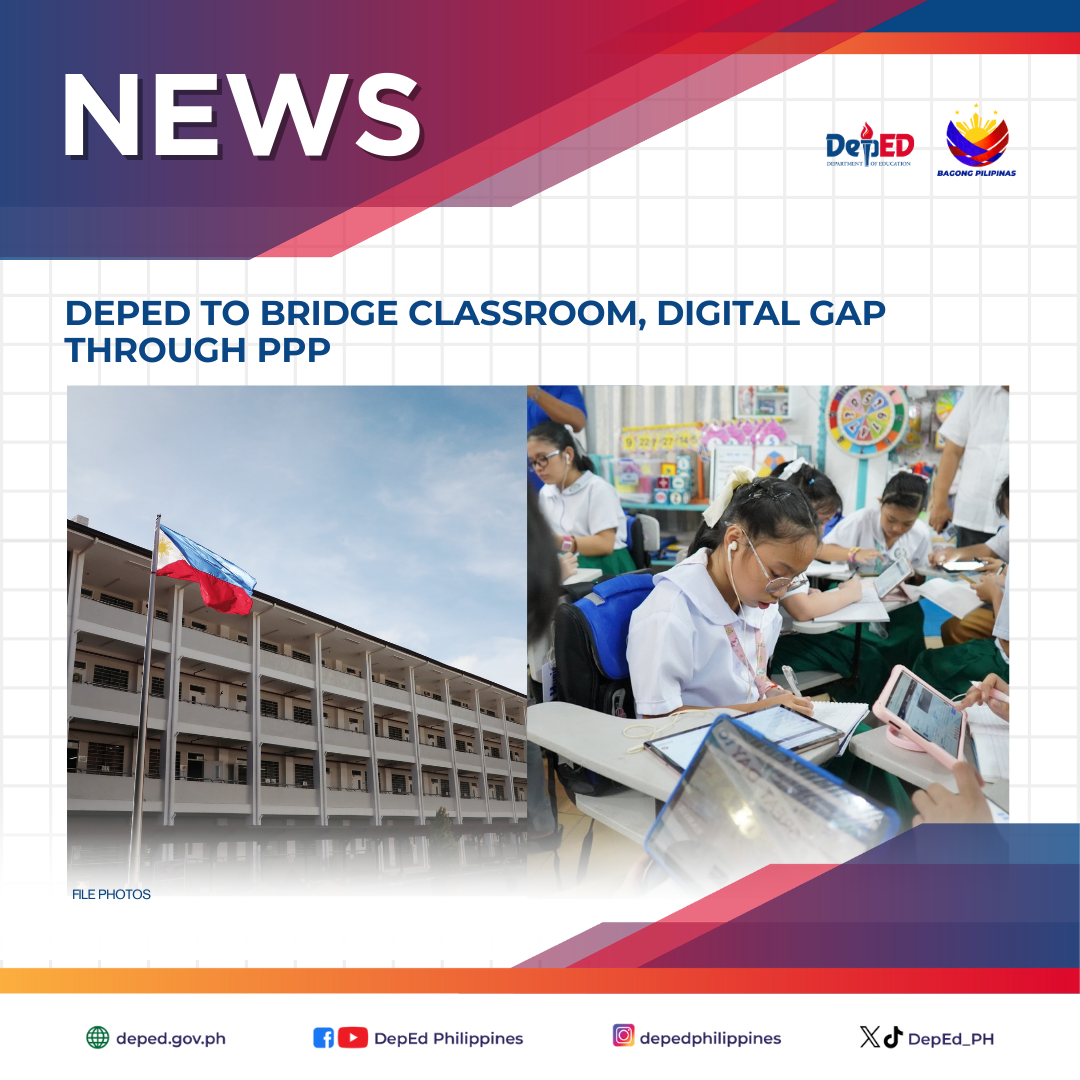
DepEd Spearheads Ambitious P10.5 Billion PPP School Infrastructure Project: A Race to July 2013
The Philippines, a nation deeply committed to fostering a brighter future for its youth, has long grappled with the persistent challenge of classroom shortages. In a strategic move to address this critical educational infrastructure gap, the Department of Education (DepEd), in collaboration with the Public-Private Partnership (PPP) Center, launched the groundbreaking Philippines PPP: P10.5 Billion School Infrastructure Project. This ambitious initiative aims to deliver a staggering 9,332 new classrooms for its first phase in Luzon alone, with a nationwide target set for completion by July 2013 – just in time for the crucial start of the 2013-14 school year. This project exemplifies a new era of government-private sector collaboration, leveraging private capital and expertise to accelerate national development and ensure every Filipino child has access to a conducive learning environment.
At an estimated initial cost of P10.5 billion for its three-phase rollout, this project represents a significant investment in the nation's human capital. The unique financing model sees the government committing to pay for the infrastructure construction over a decade, utilizing staggered appropriations from the national budget. This long-term financial commitment underscores the government's resolve to not only build classrooms but to do so in a sustainable and fiscally responsible manner, demonstrating a clear understanding of the extensive benefits derived from robust ppp school infrastructure.
Addressing the Classroom Gap: A National Priority Through PPP
The urgency behind the PPP for School Infrastructure Project is undeniable. Years of rapid population growth, combined with the perennial challenges of natural disasters and historical underinvestment, have left many public schools struggling with overcrowded classrooms and inadequate facilities. This directly impacts learning outcomes, teacher effectiveness, and student well-being. The PPP model offers a compelling solution, enabling the government to tap into the efficiency and resources of the private sector without immediate heavy upfront expenditure.
The first phase of the project, focusing exclusively on Luzon, is designed to deliver 9,332 classrooms across three vital regions: Northern Luzon, Central Luzon, and Calabarzon. This targeted approach aims to alleviate the most pressing needs in some of the country's most populous areas. According to Education Undersecretary Francisco M. Varela, the DepEd's goal is not merely to construct buildings but to create functional, safe, and inspiring learning spaces that can serve communities for generations. The aggressive timeline, with all three phases expected to be delivered by July 2013, highlights the administration's deep commitment to providing immediate relief to the classroom shortage, ensuring that hundreds of thousands of students begin their school year in new, purpose-built facilities.
Unpacking Phase 1: Luzon's Critical Development Packages
The initial phase of this monumental Firms Vie for Philippines P10.5B School Infrastructure PPP project is meticulously divided into three distinct packages, each designed to address specific regional needs within Luzon:
- Northern Luzon Package: This segment targets 660 schools, aiming to build 2,050 new classrooms.
- Central Luzon Package: Aims for the construction of 2,999 classrooms across 745 schools.
- Calabarzon Package: The largest component of Phase 1, it will deliver 4,283 classrooms in 1,097 schools.
The decision to separate Phase 1 into these distinct packages underscores a strategic approach to project management. It allows for specialized attention to the unique logistical and environmental considerations of each region. Furthermore, this structure creates a competitive environment during the bidding process, as DepEd will accept bids for each package individually. This means there's a strong possibility of having three different winning companies for Phase 1, fostering healthy competition and potentially driving down costs while encouraging efficiency.
The government's proactive steps in early 2013, including the publication of the invitation to pre-qualify in January and the aim to bid out Phase 1 by June, demonstrated a clear intent to move swiftly. The strong interest from the private sector was immediately evident, with an initial pool of 15 companies purchasing bid documents. This group comprised a diverse mix of local and foreign entities, some affiliated with listed companies, signifying robust confidence in the project's viability and the government's commitment to the PPP framework. This level of interest is a critical indicator of a successful PPP, as it brings a wealth of expertise, innovation, and competitive pricing to the table for building essential ppp school infrastructure.
The Transformative Role of Public-Private Partnerships in Education
The success of the PPP for School Infrastructure Project hinges on the inherent advantages of the public-private partnership model. Unlike traditional government-led projects, PPPs can significantly accelerate project timelines, often benefiting from the private sector's agility, technological prowess, and efficient project management methodologies. For a project with such an aggressive deadline as July 2013, this speed is paramount.
Key benefits of embracing a ppp school infrastructure model include:
- Leveraging Private Capital: PPPs allow governments to undertake large-scale infrastructure projects without immediately burdening the national budget with the entire cost, spreading payments over several years.
- Enhanced Efficiency and Expertise: Private sector partners often bring specialized construction methodologies, cost-saving innovations, and a focus on timely delivery, ensuring high-quality outputs.
- Risk Sharing: Risks associated with construction delays, cost overruns, and maintenance are often shared between the public and private partners, reducing the sole burden on the government.
- Improved Quality and Maintenance: PPP contracts often include long-term maintenance agreements, ensuring that the newly built classrooms remain in optimal condition for extended periods, providing better value for money in the long run.
- Accountability: Performance-based contracts in PPPs provide clear metrics and incentives for private partners to deliver on their commitments.
By harnessing these strengths, the DepEd-led initiative is not just building classrooms; it is laying the foundation for a more resilient and responsive educational system. The model ensures that the investment translates into tangible, long-lasting improvements in the learning environment for Filipino students.
Beyond Luzon: A Vision for National Classroom Development
While Phase 1 focused keenly on the immediate needs of Luzon, the DepEd's vision for the Public-Private Partnership for School Infrastructure Project extends nationwide. Phases 2 and 3 are earmarked to cover the Visayas and Mindanao regions, respectively, demonstrating a comprehensive national strategy to combat the classroom shortage. This holistic approach ensures that the benefits of modern educational facilities are equitably distributed across the archipelago, leaving no student behind.
The staggered implementation, starting with Luzon, allows the project team to refine processes, apply lessons learned, and optimize strategies before rolling out to other complex geographical areas. This phased approach is a testament to meticulous planning and a forward-thinking perspective. Ultimately, the successful completion of all three phases will dramatically improve the physical learning environment for millions of Filipino students, paving the way for better academic performance, increased attendance rates, and enhanced teacher morale.
Practical Advice for Future PPPs: For similar large-scale educational infrastructure projects, transparent communication with local communities is vital. Engaging parents, teachers, and local government units early can help identify specific needs, secure community buy-in, and facilitate smoother project implementation, ensuring the new facilities truly serve the students and the wider community effectively.
The DepEd's commitment to delivering all classrooms by July 2013 was an ambitious but necessary target, underscoring the critical need for speed and efficiency in addressing educational infrastructure gaps. This P10.5 billion initiative, driven by the principles of public-private partnership, marks a significant milestone in the Philippines' journey towards achieving universal quality education. By empowering the private sector to contribute its expertise and resources, the government has created a powerful synergy that promises to transform the educational landscape for generations to come, truly showcasing the power of effective ppp school infrastructure.